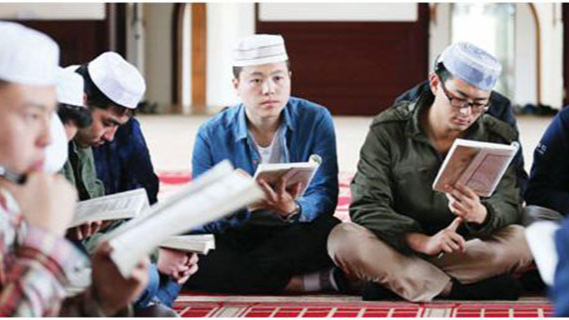
Hui Ethnic Group
Introduction
The Hui ethnic group is one of the 56 officially recognized ethnic groups in China. Predominantly Muslim, the Hui people have a rich cultural heritage that reflects a blend of Chinese and Islamic influences. They primarily speak Mandarin Chinese but have distinct cultural practices and traditions that set them apart from the Han Chinese. The Hui are dispersed throughout China, with significant populations in the Ningxia Hui autonomous region, Gansu, Qinghai, and Yunnan provinces. The diverse cultural practices and traditions of the Hui people have contributed to their unique identity within the broader Chinese society.
History
Origin and Development
The Hui ethnic group traces its origins back to the ancient Silk Road, where Muslim traders from Central Asia, Persia, and the Arab world settled in China over a millennium ago. These traders intermarried with local Han Chinese, leading to the formation of the Hui community. The Hui people have maintained their Islamic faith and cultural practices, which have continued to evolve over the centuries. The group's development was significantly influenced by the integration of Islamic customs with traditional Chinese culture, resulting in a unique synthesis that characterizes the Hui today.
Culture
Language and Literature
The Hui people primarily speak Mandarin Chinese, but their literature often includes elements of Arabic and Persian influences due to their Islamic heritage. Over the centuries, Hui writers have contributed to both Islamic and Chinese literary traditions, creating works that reflect their dual cultural identity. Notable literary contributions include poetry, religious texts, and historical narratives that document the Hui experience in China.
Arts and Crafts
The Hui are known for their contributions to various forms of art and craftsmanship. Notable artistic expressions include calligraphy, architecture, and jade carving. Hui architecture often features Islamic elements such as domes and minarets, while jade carving is an ancient tradition that has been passed down through generations. The craft of jade carving is particularly significant, with stories like those depicted in the novel "A Muslim's Funeral" highlighting its cultural importance within Hui communities.
Demographics
Population Distribution
The Hui ethnic group is dispersed across China, with a population estimated to be over 11 million. The Ningxia Hui autonomous region is the only autonomous region designated for the Hui people, although significant Hui populations are also found in Gansu, Qinghai and Yunnan provinces, as well as Xinjiang Uygur autonomous region. The distribution of the Hui reflects their historical migration patterns and the integration of their communities into various regions throughout China.
Major Communities
Major Hui communities can be found in urban and rural areas, with cities such as Yinchuan, Lanzhou, and Xi'an having substantial Hui populations. In these communities, the Hui maintain Islamic centers, mosques, and schools that serve as focal points for cultural and religious activities. The presence of the Hui in diverse regions has facilitated cultural exchanges and interactions with other ethnic groups, enriching the multicultural tapestry of China.
Economy
Traditional Occupations
Historically, the Hui people have been involved in trade and commerce, leveraging their extensive networks across the Silk Road to facilitate the exchange of goods and ideas. Traditional occupations have included jade carving, craftsmanship, and agriculture. The expertise in jade carving is particularly renowned, with the craft being a significant cultural and economic activity within Hui communities.
Modern Economic Activities
In contemporary times, the Hui have diversified into various sectors including food production, textiles, and manufacturing. The halal food industry is a significant area of economic activity for the Hui, catering to both domestic and international markets. As China continues to develop, the Hui are increasingly participating in modern industries, contributing to the country's economic growth while maintaining their cultural heritage.
Social Structure
The Hui community places a strong emphasis on family and kinship. Families are typically extended, with multiple generations living together or in close proximity. Kinship ties are reinforced through religious and social gatherings, where collective decision-making and mutual support are key components of social life. The family structure often reflects both Islamic principles and traditional Chinese values, underscoring the blend of cultures within the Hui social framework.
Cultural Preservation
Cultural preservation is a significant concern for the Hui, as modernization and urbanization pose threats to traditional practices and lifestyles. Initiatives to protect and promote Hui culture, such as the preservation of kangweihua painting and traditional crafts, are essential in ensuring the continuity of their cultural heritage. Educational programs and community activities play a vital role in fostering appreciation and understanding of Hui culture among younger generations.








